By Betty Murray
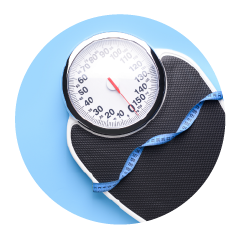
If you’re struggling to keep off the extra pounds, there culprit may be something you haven’t considered — your medications.
There are several drugs that can cause weight gain and, ironically, many drugs used to treat conditions such as diabetes, high blood pressure, seizures, migraines, and mood disorders are to blame for weight gain. So which medications could be making it difficult for you to shed excess weight?
Here are some common meds linked to weight gain. Remember, don’t stop taking your medication just because you see it in the list below.
• Paxil (paroxetine)
• Depakote (valproic acid)
• Prozac (fluoxetine)
• Remeron (mirtazapine)
• Zyprexa (olanzapine)
• Deltasone (prednisone)
• Thorazine (chlorpromazine)
• Elavil, Endep, Vanatrip (amitriptyline)
• Allegra (fexofenadine and pseudoephedrine)
• Diabinese, Insulase (chlorpropamide)
• Insulin
• Tenormin (atenolol)
• Birth control
To find out if a medication you are taking may cause weight gain, use the FDA’s Index to Drug-Specific Information to look up your meds.
Causes of medication-related weight gain
It isn’t always the drug itself that causes weight gain, but a side effect of the drug. Medications can stimulate appetite, slow the body’s metabolism, affect how the body stores glucose, cause fatigue, or cause the body to retain water.
The amount of weight you might gain on one or more of these medications varies dependent on the drug and on other factors including diet and lifestyle. Some people may only gain a few pounds over the course of a year, while others may gain 10 or more pounds in a few months.
What you can do about medication-related weight gain
When your physician prescribes a new medication, be sure to ask if the drug has been related to weight gain. If weight gain is a concern, ask your doctor if there are any alternatives you can take instead.
It is also important to pay attention to any possible weight gain after you start taking a new medication. Extra weight can lead to conditions such as diabetes, high blood pressure, high cholesterol, among others. If you notice you’ve gained weight since starting a particular med, be sure to mention it to your doctor.
Even if your medications don’t cause you to gain weight, they could make it more difficult for you to lose weight. Combat the weight-related effects of medications by maintaining a healthy diet and lifestyle. Make regular exercise a priority in your day-to-day schedule and focus on eating whole, organic, low-fat foods.
Betty Murray, CN, HHC, RYT is a Certified Nutritionist & Holistic Health Counselor, founder of the Dallas-based integrative medical center, Wellness and founder of the Metabolic Blueprint wellness program. Betty’s nutrition counseling practice specializes in metabolic and digestive disorders and weight loss resistance. A master of the biochemistry of the body, Betty teaches her clients how to utilize nutritional interventions to improve their health. Betty is a member of the Institute of Functional Medicine and the National Association of Nutrition Professionals.