
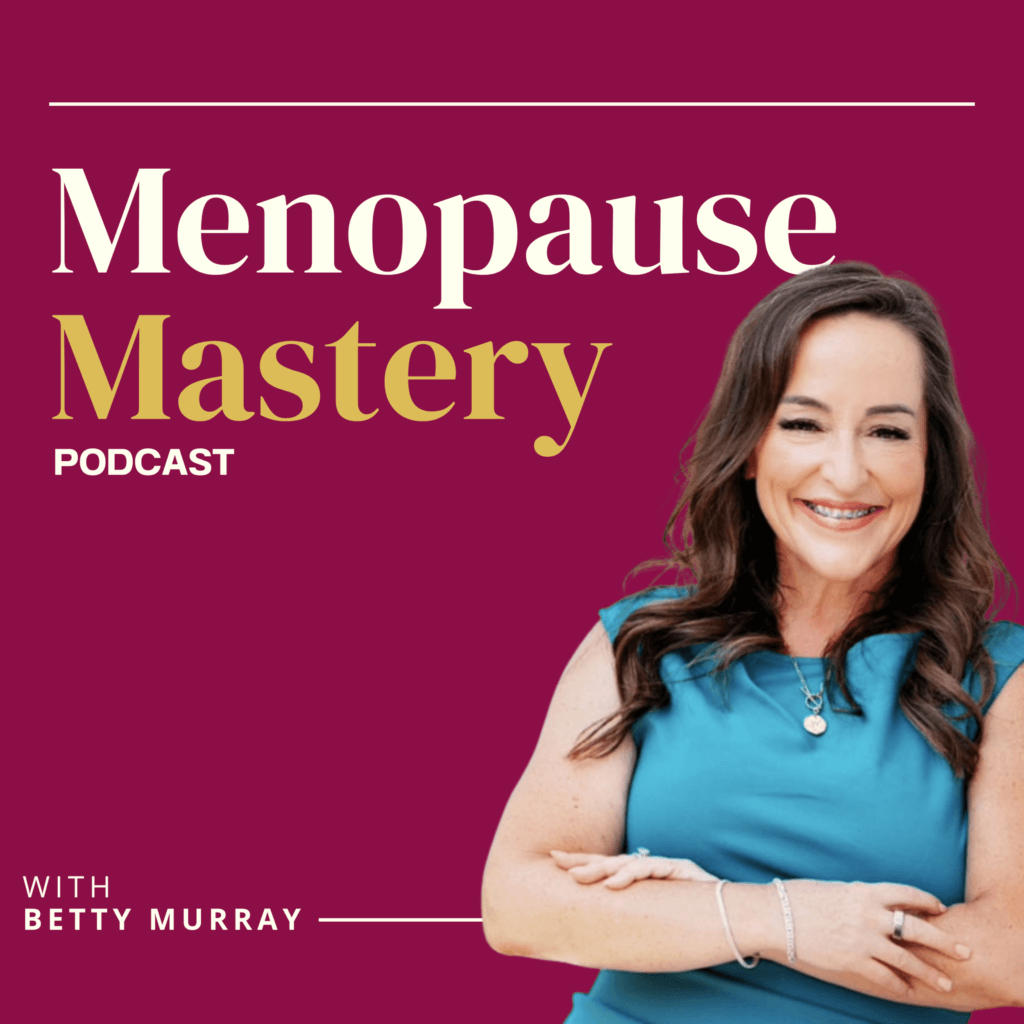
Balancing Caregiving and Self-Care
Caregiving can be emotionally challenging. Today’s episode emphasizes the importance of acknowledging and addressing the emotional needs of caregivers. It highlights the lack of knowledge, accessibility, and capacity to navigate these emotions, leading to emotional distress and potential long-term consequences. Caregivers must prioritize their own well-being to provide the best care for their loved ones.
When we are caring for others, especially those close to us, it can be easy to neglect our own needs. As caregivers, we often put ourselves on the back burner and forget to schedule time for self-care. However, it’s crucial to recognize that the decisions we make as caregivers have a significant emotional impact. Taking care of ourselves is not the same as saying no to extra work hours; it’s about finding a balance and ensuring we are emotionally equipped to care for our loved ones.
Additionally, I touch upon the challenges of balancing work and self-care, especially for those who are juggling part-time jobs without proper compensation. While I don’t have all the answers, I share my own experiences and struggles in finding the right balance and discuss the importance of prioritizing our physical, mental, and emotional health.
As caregivers, it’s common to suppress our own emotional state in favor of focusing on the tasks at hand. However, neglecting our emotional well-being can have long-term consequences. It’s crucial to allow ourselves the space and time to feel, process, and experience our emotions. By acknowledging and addressing our emotional needs, we can prevent these emotions from being pushed into our bodies and causing further harm.
Key Takeaways:
[00:00:00] Caregiving and emotional well-being.
[00:03:20] Caregiving for ailing parents.
[00:06:22] Caring for aging population.
[00:09:49] Unpaid family caregivers.
[00:14:30] Women over 50’s impact.
[00:15:39] Caregiving and health risks.
[00:19:13] Handling the grief of loss.
[00:23:11] Self-care and stress management.
[00:26:28] Bystander guilt and shame.
[00:28:43] Social environments and community.
[00:32:08] Healthcare system and caregiving challenges.
[00:36:13] Reframing uncomfortable caregiving moments.
[00:38:17] Spreading love and wisdom.
Memorable Quotes
“So what it really means is we have to have self-care and we have to have mental breaks and we have to have a capacity to feed our or fill our own cup in order to fill somebody else’s.” – Betty Murray
“But I face the same challenges that you do, is that it’s a struggle. It’s a struggle to get self-care in all the time. And ultimately, we need to protect our physical and mental and emotional health. What that really means is that we have to put our own self first, which feels uncomfortable because that’s where the shame and the guilt come up.” – Betty Murray
Website
Socials




See other content
What is Keto-Adaptation?
The ketogenic diet, also known as a low-carb diet or the low carb, high fat (LCHF) diet aids in weight loss by changing the way the body uses energy. Reducing net carb intake and increasing consumption of healthy fats induces
How A Ketogenic Diet Can Help You Lose Weight
February 12, 2016 0 Comments Many people first stumble upon the idea of ketosis while looking for a weight loss strategy. They’ve tried one diet after another, but have found that cutting calories isn’t effective and are in search of
What is the Ketogenic Diet?
The ketogenic diet has been around for more than 90 years, first designed in 1924 by Dr. Russell Wilder at the Mayo Clinic as a treatment for epilepsy. As more anti-seizure medications hit the market, the ketogenic diet became less