Breast augmentation and cosmetic implants have become mainstream over the past decades, especially among women navigating the changes of perimenopause and menopause. Yet, as stories of unexplained symptoms and lingering health issues emerge, more women are asking: Why does my body seem to reject my breast implants? On a recent episode of the Menopause Mastery Podcast, Dr. Betty Murray and Dr. Robert Whitfield broke down the science of breast implant illness, the crucial role of genetics and detoxification, and what women need to know before and after explant surgery. Let’s unpack their expertise—plus practical steps you can take to optimize your health and surgical outcomes in midlife.
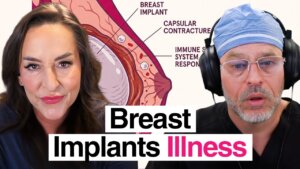
Understanding Breast Implant Illness: Myth or Real Risk?
For years, breast implant illness was dismissed as rare or even imaginary. But as Dr. Betty Murray and Dr. Robert Whitfield explain, new science and patient stories indicate that our bodies’ rejection of implants is often linked to genetics, immune system activation, and build-up of toxins in tissues.
Breast implant illness (BII) manifests with a spectrum of symptoms—fatigue, chronic inflammation, brain fog, joint pain, and more. Not every woman will experience it. “Can I have implants and be fine?” patients frequently ask Dr. Robert Whitfield. “Sure—if you detox well,” he clarifies. About 83% of patients in his practice have genetic variations that impair detoxification pathways, setting the scene for complications if an immune challenge arises post-implantation.
The Genetics Behind Detoxification and Implant Reactions
Our genes shape every bodily function—including how efficiently we process and eliminate toxins. Both speakers highlight that mutations, or SNPs, in detox pathways like methylation, glucuronidation, and antioxidation (think: MTHFR, SOD2, and vitamin D pathways) are surprisingly common. These mutations can leave women more vulnerable to issues such as implant-related immune activation and systemic inflammation.
If you have trouble clearing environmental toxins, mold, or even certain food compounds, your risk is higher—not just with implants, but with many chronic diseases. “There’s a genetic profile that puts you at risk for not just this problem, but all sorts of chronic inflammatory problems,” Dr. Betty Murray notes.
The takeaway: Investigating your genetics can predict your risk and guide your preparation before any surgery.
Rethinking Breast Reconstruction: Fat Transfer as a Healthier Option
When confronting illness or aesthetic dissatisfaction from implants, many believe that breast reconstruction would leave them “flat.” But Dr. Robert Whitfield introduces a powerful alternative: autologous fat transfer. This technique involves harvesting your own fat from areas like the abdomen, thighs, or love handles, and transferring it to reshape the breasts at the time of explant.
Who qualifies? “You have to have body fat in order to do a fat transfer,” Dr. Robert Whitfield cautions. Many women in perimenopause or menopause, due to weight changes and loss of skin elasticity, may be perfect candidates. However, success is highly dependent on preparation—nutritional status, toxin burden, genetics, and overall physical and emotional readiness.
The SHARP Method: Preparing Your Body for Surgery and Recovery
Both hosts emphasize that successful surgical outcomes—be it explant, fat transfer, or any major procedure—rely on thorough preparation. Dr. Robert Whitfield developed the SHARP Method: Strategic Holistic Accelerated Recovery Program. It goes beyond standard medical clearances to include:
- Genetic Testing: Know your risk for poor detoxification, hormone metabolism, and immune over-reactivity.
- Toxin Evaluation: Mycotoxins from mold, chemical exposures, and even stored toxins in fat (which may be mobilized during fat transfer) must be addressed and minimized.
- Gut Health Assessment: Healthy gut flora help remove toxins and estrogen derivatives; dysbiosis or parasites must be treated.
- Hormone Optimization: Balancing estrogen, testosterone, and cortisol before surgery enhances wound healing and recovery.
- Nutritional and Lifestyle Tweaks: Prioritize sleep, hydrated tissues, holistic nutrition, and moderate activity for at least several weeks pre- and post-op.
After surgery, therapies like hyperbaric oxygen, red light therapy, lymphatic massage, and maintenance of optimal body weight (via DEXA scans and behavioral guidance) are critical to long-term aesthetic results.
The Role of Toxins and Weight Loss Drugs in Recovery (and Risk)
Modern weight-loss trends—particularly GLP-1 receptor agonists like Ozempic—can interfere with recovery and the longevity of fat transfers. These drugs, often obtained online and compounded with questionable oversight, can cause dramatic fat loss, including facial and breast fat atrophy. For women who invested in fat transfer or explant, this can mean a rapid loss of results and a prematurely aged, “drawn-in” appearance.
“There’s no microdose,” Dr. Betty Murray warns; variable dosing and lack of quality control are rampant. Moreover, if your body mass index drops significantly after fat transfer, you could lose up to 70% of the grafted fat. Maintaining or even slightly increasing your BMI is crucial for graft survival and a youthful look—rather than chasing extreme weight loss.
Explant Surgery: Why Removing Both Implant and Capsule Matters
Too often, surgeons will remove only the implant, leaving the surrounding scar (capsule) tissue behind. However, as Dr. Robert Whitfield points out, up to 29% of these capsules harbor bacterial contamination—even if there are no acute signs of infection. Immune cells treat this lingering tissue (and any residual debris or rupture) as a foreign invader, stoking chronic inflammation.
Full capsulectomy—removing both implant and scar tissue—dramatically reduces ongoing immune activation and gives patients a better chance at symptom resolution. “You shouldn’t fearmonger a patient… It’s safe to remove the scar tissue,” Dr. Betty Murray affirms, based on thousands of cases.
Your Next Steps: Informed, Individualized Care for Recovery and Long-Term Health
Wondering whether your symptoms are linked to implants? Concerned about preparation for breast, orthopedic, or cosmetic surgery? Start by investigating your functional genetics, toxin load, and hormone status. Consider alternatives like fat transfer—especially if you aim for a natural look or wish to be free from foreign materials. And embrace a holistic approach to recovery: food, sleep, stress, and specialized therapies all make a difference.
Last but not least: Find a knowledgeable, experienced surgical team committed to individualized, evidence-based preparation and aftercare. Your health—inside and out—is worth it.