If you’re moving through perimenopause or menopause and finding yourself overwhelmed by fatigue, pain, brain fog, or anxiety, know this: You’re not alone—and you’re not making it up. These mysterious and often misunderstood symptoms are becoming more common, especially for women in midlife. But recent research, as explored on the Menopause Mastery Podcast with Dr. Betty Murray and guest Ashok Gupta, reveals a game-changing insight: Your brain’s wiring plays a central role, and you have more power to shift it than you think.
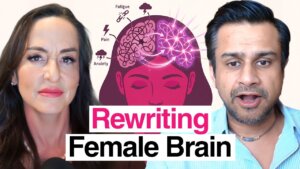
How the Brain and Body Collide During Midlife
Today, millions face conditions like chronic fatigue. Women, especially those between 35 and 60, are even more at risk. Why? Because perimenopause and menopause trigger profound hormonal changes—particularly in estrogen—creating a sensitive, reactive state in the brain and immune system.
“You see pain, fatigue, brain fog, anxiety, poor sleep—all these symptoms cross over with what we see in menopause,” explains Ashok Gupta. When estrogen falls, the nervous system can become “twitchy,” overreacting to stress, toxins, and even minor triggers. The result: a perfect storm of symptoms that can leave you feeling powerless and misunderstood.
Understanding the Vicious Cycle: The Brain’s “Danger Loop”
What’s actually happening during these episodes of fatigue, pain, or anxiety? Ashok Gupta breaks it down with a simple analogy: Imagine your body as a kingdom, your brain as the queen, and your immune system as the army and navy. After big stressors (like chronic trauma, illness, or menopause itself), this inner army can get stuck in “fight or flight,” sounding alarms even when the danger is gone. The body gets locked in a state of chronic inflammation, exhaustion, and emotional turmoil.
As Dr. Betty Murray notes, “Our ancestors had immune system resilience, but the constant barrage of modern life and toxin exposures, combined with hormonal shifts, wears that resilience down.”
Neuroplasticity: Changing Old Patterns for New Possibilities
Here’s the good news: The brain is not fixed. Neuroplasticity is your built-in ability to rewire old, unhelpful patterns—and studies show it’s possible at any age. Just as practicing an instrument rewires your brain for music, guided brain retraining (like the Gupta Program) uses daily exercises to guide your nervous system out of “danger mode” and back toward homeostasis.
This approach is already showing results. In research, those practicing brain retraining experienced much greater improvements in chronic conditions (even compared to leading drugs for fibromyalgia). And now, a new clinical trial is set to explore its effects specifically for women in perimenopause and menopause.
Simple Ways to Support Your Brain—and Your Healing
If your symptoms feel overwhelming, remember: You don’t have to choose between conventional medicine or holistic self-care. In fact, as Ashok Gupta and Dr. Betty Murray agree, the best results come from combining smart lifestyle tweaks, hormonal support, and nervous system retraining.
Here’s how to get started:
- Explore brain retraining: Programs like the Gupta Program offer daily guided exercises (and live group calls) to help re-regulate your stress response.
- Prioritize hormone balance: With the help of a clinician, consider nutrition, lifestyle changes, and, if appropriate, hormone replacement therapy.
- Build resilience in community: Healing is more powerful—and more likely—when you’re supported by a community.
- Keep at it: Change happens with daily, gentle repetition—not willpower or quick fixes.
Why This Matters for Every Woman
Women’s health issues—especially at midlife—are often sidelined due to lack of research and funding. By participating in studies or even starting your own brain retraining, you’re not only helping yourself, but building the case for better, more compassionate care for all women.
Dr. Betty Murray puts it simply: “This is a natural stage that doesn’t have to mean suffering. By addressing the brain’s wiring, we can help make the transition smoother, and restore resilience—not just for now, but for life.”
Take the Next Step
Want to know more or get involved? Visit guptaprogram.com or look for links in the Menopause Mastery Podcast show notes to join the upcoming study.
Menopause is a transition, not a dead end. With the right tools—and the right community—you can reclaim energy, joy, and hope for your future.