
For the past two decades, millions of women have endured the consequences of what experts are now calling one of the greatest medical mistakes of our lifetime: the widespread fear and vilification of hormone replacement therapy (HRT). Dr. Betty Murray, host of the Menopause Mastery Podcast, and Dr. David Rosensweet, a physician with over 55 years of experience in women’s health, recently discussed a seismic shift—the FDA’s consideration to remove the infamous black box warning from estrogen products. This move signals much more than just a regulatory change: it’s the beginning of a new era for menopause care.
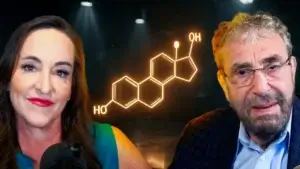
Let’s dive into why this step matters, what science now shows about HRT, the controversy around compounding, and what every woman needs to know about optimizing health and longevity—no matter her age.
The Black Box Warning: How Fear Shaped an Entire Generation’s Health
If you’ve had any conversation about HRT, odds are you’ve heard about the black box warning—an attention-grabbing caution slapped onto estrogen prescriptions, warning of increased risks for breast cancer, heart disease, and stroke. But as Dr. Murray and Dr. Rosensweet discussed, this warning was built on outdated or misinterpreted data. The real-world result? Doctors and patients alike became hesitant—or outright refused—to use HRT, leaving millions of women needlessly suffering with symptoms and increased risk for long-term health issues.
In reality, large studies like the Women’s Health Initiative have since shown that women on certain types of estrogen had lower risks of some of these conditions. For example, women on estrogen alone in the WHI study had a 23% reduced risk of breast cancer compared to placebo. These numbers are not flukes—they are backed by over two decades of accumulating research. Removing the black box is more than symbolic; it’s about finally aligning medical guidance with the real science.
Hormones: Essential for More Than Hot Flashes
Many people—healthcare providers included—still think of menopause treatment as mostly about getting rid of hot flashes, night sweats, and irritability. While these symptoms certainly matter, hormone loss impacts so much more, even if you don’t “feel” it right away.
- Cognitive Health: Estrogen and testosterone play significant roles in protecting the brain. As Dr. Rosensweet shared, women on HRT see measurable improvements in cognitive function, and studies point to a 24–37% reduced risk of dementia and Alzheimer’s for women on appropriate hormones.
- Bone and Muscle Maintenance: Hormone deprivation is a guarantee—not a risk—of bone loss after menopause. Loss of muscle mass (and the resulting frailty) is now recognized as a leading driver of nursing home admissions. HRT, especially with testosterone, is fundamental for maintaining strength and independence.
- Cardiovascular Health: Contrary to popular belief, appropriate HRT reduces the risk of heart attacks and strokes, especially when started early in menopause. Even for women starting later, proper screening and personalized dosing can mitigate risks.
The take-home message? Hormones are not just for symptom relief. They’re critical for protecting your brain, bones, muscles, and overall longevity.
The Power of Individualization: Why Compounded Hormones Matter
A key concern for many women: “Will the standard FDA-approved pills or patches work for me?” The answer, as discussed on the podcast, is nuanced. Every woman absorbs, metabolizes, and responds to hormones differently. That’s where compounding comes in.
What is Compounded HRT?
Instead of a one-size-fits-all pharmaceutical, a compounding pharmacist customizes the preparation to your specific needs—type of hormone, dose, delivery method, even the base cream or oil it’s mixed in. This isn’t fringe medicine; it’s the heart of personalized care and a common practice even in hospital settings.
Why Individualization is Essential:
- Some women need higher doses for cognitive protection; others require only mild support to prevent bone loss.
- The route matters: topical preparations can avoid the clotting risks associated with oral forms, especially crucial for older women.
- Genetic, metabolic, and lifestyle differences mean one woman’s “perfect dose” could underdose or overdose another.
Dr. Rosensweet and Murray urge women to seek out experienced HRT prescribers—those who use up-to-date testing (like 24-hour urine tests) to confirm you’re not just symptom-free, but protected against long-term consequences of hormone loss.
What If I’m In My 60s, 70s, or 80s? Am I Too Late for HRT?
One of the most damaging myths to come out of the black box era is the so-called “10-year window”—the idea that after 10 years post-menopause, it’s too risky to start HRT. In reality, while risk factors do change with age, skilled providers can safely start HRT in older women by carefully evaluating cardiovascular and clotting risks. The benefit? Even in later decades, women see improved cognition, stronger bones, less frailty, and improved quality of life.
Dr. Rosensweet tells the story of his own mother, whom he started on hormones at 86—seeing cognitive gains and greater mobility. The message: It’s never “too late” to benefit from hormones; each woman deserves personalized, thorough evaluation.
Lifting the Veil: The Far-Reaching Benefits of HRT for Women (and Society)
Beyond personal health, failing to treat menopausal symptoms has bigger consequences. Every year, the US economy loses billions as women leave the workforce due to menopause-related health issues. Nursing home admissions, fractures, and falls are skyrocketing. HRT’s benefits ripple outward, preserving independence, reducing healthcare costs, and empowering midlife and older women to stay vital and engaged.
Taking Charge: Your Next Steps to Hormone Health
Ready to reconsider HRT? Here’s what you should do:
- Shop for Your Provider: Find someone trained and experienced in menopausal hormone care. Use your network, read reviews, and don’t settle for dismissive answers.
- Know Your Numbers: Insist on individualized testing (like 24-hour urine hormone tests) and symptom-based care.
- Never “Age Out” of Care: If you want better brain, bone, and heart health—even if you’re in your 60s, 70s, or 80s—consult with a knowledgeable, open-minded clinician.
It’s your body, your future, and your choice. With new science and regulatory changes, the menopause conversation is shifting toward empowerment and real, lifelong health.
You deserve nothing less.



FODMAP Sweet Potato-Raisin-Chunky Chip Sugar Cookies
Weekly Recipe created by Jenny Bair, author of “What the FODMAP?” Semi-homemade from this mix: Visit here for The Mix – https://www.immaculatebaking.com/product/gluten-free-sugar-cookie-mix/ The Mix plus these ingredients from box: change as listed below Use a stick plus a 1 T.
Healthy Gifts for the Wellness-Conscience
By Betty Murray With Christmas just around the corner, you may find yourself stumped on what healthy gifts to give the health-conscious person in your life. Although sweet, the traditional baked goods, or gift baskets overflowing with chocolates just won’t do.
November Coaching packages with Jenny Bair
Jenny Bair, MHE, The Inner Organizer, has 20+ years of teaching, speaking, coaching, consulting, organizing, motivating, and encouraging others to make their desired changes from the inside-out. It is Jenny’s goal to help individuals, couples, families and companies find more laughter,