
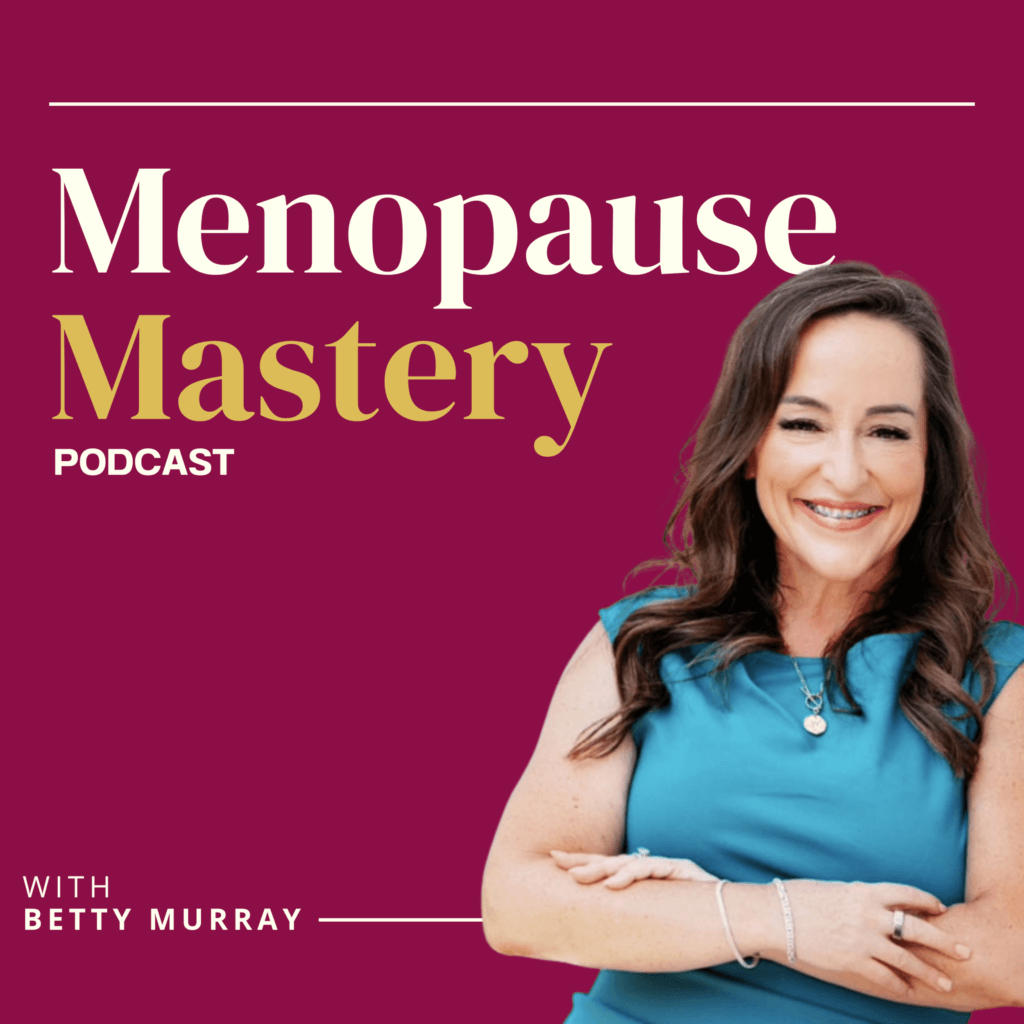
Healing Trauma: The Three Ingredients for Transformation with Dr. Aimie Apigian
Stress and trauma are often used interchangeably, but they have distinct differences in terms of their effects on the body and mind. Stress is a common phenomenon that most people experience in their daily lives. On the other hand, trauma is a more severe and long-lasting response to a distressing or life-threatening event. Unlike stress, trauma is not a normal response to everyday challenges, and it can have a profound impact on a person’s mental and physical well-being.
Today’s guest, Dr. Aimie Apigian, a Double Board-Certified Physician in Preventative and Addiction Medicine, brings so much clarity to the table and argues that understanding the distinction between stress and trauma response is crucial for properly addressing and managing these experiences. She sheds light on the aspects of our bodies and minds that often go unnoticed but play a significant role in shaping our lives and helps us distinguish the unconscious forces that drive our actions and feelings, empowering us to gain clarity and control over our experiences.
Dr. Aimie’s expertise lies in recognizing and addressing unresolved trauma, both big and small, that may be stored within us. She shares invaluable insights on the three essential ingredients required to heal trauma in our biology, body, and psyche. She doesn’t just stop at theory; she provides practical steps to help us navigate the healing process. From understanding the biology of trauma to taking action towards healing, she equips us with the tools necessary to embark on our own personal journeys of growth and transformation.
If you’re ready to peel back the layers, uncover your true passions, gain a deeper understanding of yourself, and embark on a transformative journey towards healing and self-discovery, this episode is a must-listen.
Key Takeaways:
- [00:00:00] The trauma response in our bodies.
- [00:04:11] Shifting to non-traditional medicine.
- [00:08:02] The trauma response.
- [00:12:26] Triggers for trauma response.
- [00:14:42] Implicit memory and overwhelm.
- [00:19:09] Trauma response physiology.
- [00:23:07] Generational trauma and biology.
- [00:26:55] Processing experiences in the NICU.
- [00:29:07] Three major ingredients to heal trauma.
- [00:34:48] Completing trauma responses.
- [00:36:53] Healing trauma and biology.
- [00:39:02] Recognizing and addressing health conditions.
- [00:43:22] The biology of trauma.
Memorable Quotes
“Stress is actually taking action. It’s a very high energy state. It’s that firefighter who’s rushing towards the fire and can do some pretty miraculous superhuman feats because of the energy that’s fueling that stress response.” – Dr. Aimie Apigian
“I would want people to just see this as a massive opportunity for a different way of living life, that trauma work does not need to be this taboo thing that’s shameful, that makes you a weak person, but actually it can look very different than traditional therapy.” – Dr. Aimie Apigian
Website
Socials



See other content
Can a Ketogenic Diet Clear Up Your Acne?
Though acne is usually seen as a male hormone excess concern called androgen-mediated acne, in many cases it’s actually driven more by insulin, which will also make the other hormonal based acne from thyroid hormones or estrogen issues worse. It
Ketogenic Diet and Sports Performance
We are full of fat, as an interesting review article published last year in The European Journal of Sport Sciences points out. The article, “Rethinking Fat as a Fuel for Endurance Exercise,” notes that even the leanest marathon runner has
Can the Ketogenic Diet Alter Neurological Disorders?
The ketogenic diet — a low carb, moderate protein, high fat diet — has been used since the 1920s (potentially even back to the biblical ages) to successfully treat epilepsy, especially in those for whom conventional pharmaceutical treatments have been unsuccessful.