
Menopause and perimenopause are significant transitions in every woman’s life, bringing physical, mental, and emotional changes. One of the most powerful tools for navigating these transitions is hormone replacement therapy (HRT)—but with so many forms available, how do you know which option is safest and most effective for you? Here, we’ll break down your choices, explain the differences, and help you advocate for personalized, science-based care.
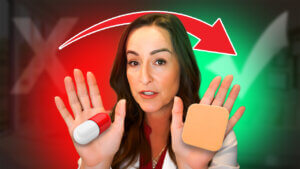
What Are Bioidentical Hormones—and Why Do They Matter?
Bioidentical hormones are molecularly identical to the hormones your body naturally produces, such as estradiol and progesterone. They’re typically synthesized from plant sources like yams or soy, but the final product is a perfect match for your body’s own hormones. This is important: synthetic hormones (like those found in traditional birth control pills or Premarin) have slightly different structures, leading to different effects and potentially higher risks of side effects.
Exploring the Forms: Pills, Patches, Creams, and More
1. Oral Estradiol (Pills) Oral bioidentical estradiol is convenient but generally not the first choice. Why? When you swallow a hormone, it goes directly through your digestive system and liver (“first pass metabolism”), which can reduce its effectiveness and increase clotting risk. Additionally, generic oral forms can vary up to 25% in hormone potency per batch and often contain fillers and dyes.
2. Transdermal Patches Patches deliver a steady dose of estradiol directly through your skin, bypassing the liver and reducing risk for blood clots and heart attacks. They’re well researched, easy to use (usually changed twice weekly), and minimize most side effects—though occasional skin irritation can occur due to the adhesives.
3. Topical Creams, Gels, and Jojoba Oil Compounding pharmacies can create custom creams or gels for hormone delivery, either as estradiol, estriol (“biased”), progesterone, or testosterone. Jojoba oil is an emerging option, offering superior absorption without the fillers of cream-based formulas. Creams are highly customizable but absorption can vary between pharmacies and individuals.
4. Sublingual Troches Placed under the tongue, troches allow hormones to absorb through the mouth, avoiding the digestive system. Their potency requires careful dosing to avoid excessive absorption.
5. Micronized Oral Progesterone When it comes to protecting the uterine lining and aiding sleep, oral micronized progesterone is best. Topical progesterone doesn’t provide the same proven protection.
Safety First: Managing Risks and Maximizing Benefits
Your choice of delivery method makes a significant difference in both effectiveness and risk profile:
- Oral estrogen: Higher risk for blood clots/stroke, less desirable except where absolutely necessary.
- Patches, creams, oils: Significantly lower risk, making them the preferred options for most women.
- Micronized progesterone (oral): Essential for uterine protection if you have a uterus.
For those transitioning into menopause or wishing to reduce risks for conditions like cardiovascular disease, osteoporosis, and cognitive decline, topical forms and oral progesterone offer the safest long-term strategy.
The Importance of Personalization and Monitoring
No two women will respond to hormone therapy in exactly the same way. Factors like skin absorption, metabolism, and genetics mean that your ideal dose and delivery method might be unique. While tracking symptoms is important, regular laboratory testing ensures your hormone levels fall within therapeutic ranges—not too high, not too low. Studies show that relying only on symptoms can leave you under- or overtreated, so partnering with a provider who monitors labs and adjusts accordingly is key.
Summary: Advocating for Your Best Health
Bioidentical hormones—delivered through patches, creams, troches, or jojoba oil—offer safer, more flexible solutions tailored to your needs. Oral micronized progesterone is crucial for balancing estrogen and maintaining uterine health.
To get the most out of HRT:
- Favor topical forms for estrogen and testosterone
- Use oral micronized progesterone if you have a uterus
- Insist on lab testing and symptom tracking
- Work with a provider who listens and adjusts as needed
Menopause is a pivotal time—by understanding your options and prioritizing your health, you can move forward with confidence, vitality, and peace of mind.
For more in-depth guidance and support, tune in to the Menopause Mastery Podcast!



FODMAP Sweet Potato-Raisin-Chunky Chip Sugar Cookies
Weekly Recipe created by Jenny Bair, author of “What the FODMAP?” Semi-homemade from this mix: Visit here for The Mix – https://www.immaculatebaking.com/product/gluten-free-sugar-cookie-mix/ The Mix plus these ingredients from box: change as listed below Use a stick plus a 1 T.
Healthy Gifts for the Wellness-Conscience
By Betty Murray With Christmas just around the corner, you may find yourself stumped on what healthy gifts to give the health-conscious person in your life. Although sweet, the traditional baked goods, or gift baskets overflowing with chocolates just won’t do.
November Coaching packages with Jenny Bair
Jenny Bair, MHE, The Inner Organizer, has 20+ years of teaching, speaking, coaching, consulting, organizing, motivating, and encouraging others to make their desired changes from the inside-out. It is Jenny’s goal to help individuals, couples, families and companies find more laughter,