
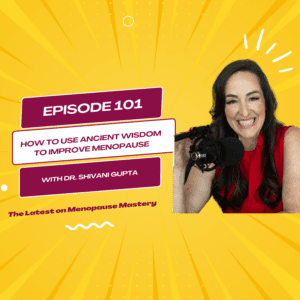
Menopause is a significant life transition that can bring various physical and emotional challenges. Integrating ancient Ayurvedic wisdom can provide profound benefits during this phase. In this episode of the Menopause Mastery Podcast, Dr. Shivani Gupta and host Dr. Betty Murray discuss how Ayurvedic principles and herbs can help manage menopause symptoms holistically.
Understanding Dosha Customization
Ayurveda categorizes individuals into three primary doshas—Vata, Pitta, and Kapha. These doshas influence not just physical attributes but also how one navigates life transitions like menopause.
- Vata – Fast-paced and creative, Vata types often experience dryness, anxiety, and disrupted sleep. They need grounding and nourishment during menopause.
- Pitta – Fiery and intellectual, Pitta types may struggle with inflammation and intense reactions. Cooling foods and stress management are crucial.
- Kapha – Grounded and nurturing, Kapha types might experience sluggishness and weight gain. Warm, cooked meals and morning activity can help.
Customizing your diet and lifestyle according to your dosha can significantly ease menopause.
The Power of “Super Spices”
Dr. Gupta extols the virtues of “super spices,” particularly turmeric, known for its anti-inflammatory, antiviral, and antioxidant properties. Other beneficial Ayurvedic herbs include:
- Shatavari – Cooling properties help during perimenopause and menopause.
- Tulsi (Holy Basil) – Adaptogenic support regulates stress.
- Brahmi and Ashwagandha – Calming and adaptogenic qualities balance highs and lows.
Incorporating these herbs through cooking or supplements offers substantial health benefits.
Ayurvedic Self-Care Practices
Self-care practices are crucial for managing menopause symptoms, and Ayurveda offers several valuable routines:
- Yoga and Pranayama – Help manage stress and maintain internal balance.
- Aligning with Nature’s Rhythms – Regulate hormones by following consistent sleep patterns.
- Abhyanga (Oil Massage) – Counteracts dryness and promotes relaxation.
These practices support both physical and emotional well-being.
Culinary Richness and Adventure
Ayurvedic wisdom emphasizes using various spices and herbs in daily meals. Dr. Gupta suggests blending spices from different cultures into familiar recipes to expand dietary variety and nutrient intake. Indian cuisine, in particular, uses spices like ghee, cumin seeds, hing, and turmeric for both flavor and health benefits.
Life and Dosha Shifts
As menopause ushers in a “Vata” phase characterized by increased dryness and sensitivity, dietary and lifestyle adjustments are critical:
- Vata Balancing – Warm, grounding meals rich in healthy fats.
- Pitta Balancing – Cooling, refreshing foods to mitigate symptoms like hot flashes.
- Kapha Balancing – Light, easy-to-digest foods to support metabolism.
Aligning your lifestyle with your dosha makes menopause more manageable.
Turmeric: The Golden Spice
Turmeric stands out for its extensive medicinal properties, particularly its anti-inflammatory benefits. Dr. Murray shares her success using turmeric for joint pain relief and improved workout recovery.
Both dietary intake and supplements can enhance turmeric’s effectiveness.
Menopausal Transition: Ayurveda and Modern Science
Modern research, such as Dr. Lisa Moscone’s work, aligns with Ayurveda’s understanding of menopause as a neurobiological transformation that enhances creativity and reduces stress. Ayurveda and modern science both emphasize self-care, dietary adjustments, and an adventurous culinary spirit to navigate menopause.
New Supportive Supplements
Dr. Murray introduces “Estro Balance Mastery,” a supplement designed to support women through perimenopause. Its ingredients help regulate estrogen, cognitive function, body temperature, and liver health.
Resources for Your Journey
Dr. Gupta invites listeners to take a dosha quiz on her website, drshivani.com, and explore her anti-inflammatory cookbook. Her supplement company, Fusionary Formulas, offers a 15% discount with the code “menopause.”
Final Thoughts
Menopause is a natural transition that can be made more manageable by embracing Ayurvedic wisdom. Integrate “super spices,” practice self-care, and align your diet and lifestyle with your dosha.



FODMAP Sweet Potato-Raisin-Chunky Chip Sugar Cookies
Weekly Recipe created by Jenny Bair, author of “What the FODMAP?” Semi-homemade from this mix: Visit here for The Mix – https://www.immaculatebaking.com/product/gluten-free-sugar-cookie-mix/ The Mix plus these ingredients from box: change as listed below Use a stick plus a 1 T.
Healthy Gifts for the Wellness-Conscience
By Betty Murray With Christmas just around the corner, you may find yourself stumped on what healthy gifts to give the health-conscious person in your life. Although sweet, the traditional baked goods, or gift baskets overflowing with chocolates just won’t do.
November Coaching packages with Jenny Bair
Jenny Bair, MHE, The Inner Organizer, has 20+ years of teaching, speaking, coaching, consulting, organizing, motivating, and encouraging others to make their desired changes from the inside-out. It is Jenny’s goal to help individuals, couples, families and companies find more laughter,