
We tend to think that menopause management is all about managing symptoms—but what if the way your body handles estrogen is actually one of the keys to preventing cancer? Whether or not you use hormone replacement therapy (HRT), understanding how your body processes and detoxifies estrogens could be the missing link to protecting women’s health in midlife and beyond.
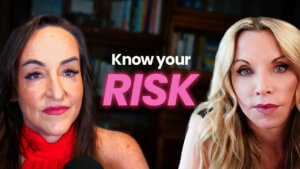
In a recent frank and eye-opening discussion, Dr. Betty Murray and Dr. Amy Horneman dove into why some women are more at risk for hormone-sensitive cancers and how advanced testing can personalize your prevention plan.
Beyond Bloodwork: Why Standard Hormone Testing Isn’t Enough
Blood hormone levels—what most doctors check—only tell you part of the story. The real magic happens in what’s called “estrogen metabolism”—the way your body breaks down, transforms, and eliminates hormones. Dr. Murray explains: “Bioidentical hormones aren’t the cause of cancer. It’s about how you metabolize hormones and environmental estrogens.” Environmental toxins like plastics and fragrances can send your hormone pathways in the wrong direction even after menopause.
If your body can’t clear estrogens properly, you may accumulate damaging metabolites that increase cancer risk—even if your hormone levels appear “normal.”
Estrogen Pathways 101: The Routes That Matter
Your body processes estrogen through three main pathways:
- 2-Hydroxy (“Protective”) Pathway – Safest, helps with estrogen elimination.
- 16-Hydroxy Pathway – Leads to estriol, weaker and less dangerous.
- 4-Hydroxy (“Danger”) Pathway – Can cause DNA damage and fuel cancer if not cleared properly.
The route your hormones take depends on both your genetics and lifestyle factors, such as diet and toxin exposure.
The Dutch Test & Genetic Testing: Your Metabolism Roadmap
Comprehensive urine-based tests, like the Dutch Test, reveal which pathways your body uses for hormones. But as Dr. Murray points out, these tests still miss some crucial steps—like sulfation, the final process that packages hormones to be excreted. If that step stalls (often due to genetic factors or nutrient shortages like B6 or molybdenum), dangerous metabolites can build up.
To get the full picture:
- Pair urine metabolite tests with bloodwork (especially estrone and estrone sulfate).
- Genetic testing can reveal predispositions in key detox pathways.
- Compare your test results—if urine testosterone is low but blood is high, that’s a red flag.
Personalizing Your Hormone Protocol—It’s Not One-Size-Fits-All
With these insights, your provider can design a plan that fits you:
- Hormone Choices: Many women benefit from a “biased” blend of estradiol (symptom relief) plus estriol (added protection), not just standard estradiol alone.
- Detox Support: If your tests show risky pathways, targeted supplements—DIM, calcium D-glucarate, NAC, MSM, and others—can “nudge” estrogen toward safer routes.
- Don’t Ditch Progesterone: Even without a uterus, progesterone matters for sleep, bones, brain, and cancer protection.
Advanced testing helps determine the right blend—and how often you need to repeat tests. Annually is a good rule, especially if you’re on higher hormone doses.
Managing Environmental Exposures
Even perfect metabolism can be overwhelmed by chemical estrogens (“xenoestrogens”) in your environment. Choose fragrance-free personal care, minimize plastic use, and prioritize a colorful, plant-based diet to support your detox pathways naturally.
Takeaway: Own Your Hormone Health
- Test wisely: Go beyond basic panels—get Dutch, blood, and genetic tests.
- Invest in prevention: Tweak your regimen and diet based on your results—not a one-size-fits-all internet protocol.
- Stay curious and ask for visuals: Complex pathways are easier to understand with diagrams (watch YouTube breakdowns if you’re a visual learner).
Every woman deserves personalized, precision medicine—especially when it comes to preventing cancer. Be proactive, ask for deeper testing, and take your hormones (and health) into your own hands.



FODMAP Sweet Potato-Raisin-Chunky Chip Sugar Cookies
Weekly Recipe created by Jenny Bair, author of “What the FODMAP?” Semi-homemade from this mix: Visit here for The Mix – https://www.immaculatebaking.com/product/gluten-free-sugar-cookie-mix/ The Mix plus these ingredients from box: change as listed below Use a stick plus a 1 T.
Healthy Gifts for the Wellness-Conscience
By Betty Murray With Christmas just around the corner, you may find yourself stumped on what healthy gifts to give the health-conscious person in your life. Although sweet, the traditional baked goods, or gift baskets overflowing with chocolates just won’t do.
November Coaching packages with Jenny Bair
Jenny Bair, MHE, The Inner Organizer, has 20+ years of teaching, speaking, coaching, consulting, organizing, motivating, and encouraging others to make their desired changes from the inside-out. It is Jenny’s goal to help individuals, couples, families and companies find more laughter,