
The average age for menopause in the United States remains 51, but a significant number of women are noticing perimenopausal symptoms a decade—or more—earlier than expected. According to a recent University of Virginia study shared on the Menopause Mastery Podcast by Dr. Betty Murray, over 20% of women under 46 have already discussed classic perimenopausal symptoms with their doctors. Alarmingly, even women in their early 30s are experiencing issues like mood swings, hot flashes, night sweats, and brain fog.
If this sounds familiar, you’re not alone—and it isn’t just about heightened awareness or better symptom tracking.

The Surprising New Data on Early Perimenopause
Digging into the study’s findings:
- Among women aged 30–35, 4.3% reported seeing a doctor about perimenopausal symptoms. For ages 36–40 that figure doubled to 8%.
- Over 50% of women aged 30–35 with symptoms rated them “moderate to severe.”
- Traditional signs like irregular cycles often came much later, meaning younger women were often told it wasn’t perimenopause.
This paints a clear picture: Perimenopause is shifting earlier for many women, often without clear guidance from medical professionals.
———————————————————————————————————————————————————————-
What’s Driving Early Perimenopause?
Dr. Murray outlines several underlying causes:
- Chronic stress and high cortisol can suppress sex hormones and accelerate the perimenopausal transition.
- Endocrine disruptors—chemicals in food, plastics, and even personal care products—can unsettle hormone balance at younger ages.
- Rising fertility challenges: Both men and women are experiencing more reproductive health issues, signaling a broader trend in hormonal shifts.
- Modern lifestyle factors: Poor diets, increased exposure to toxins, and less restorative sleep all play a part.
So while we have more tools to monitor our cycles, these environmental, lifestyle, and biological stressors may actually be speeding up the timetable for many women.
———————————————————————————————————————————————————————-
Early Symptoms: Beyond Irregular Periods
Women in their 30s are reporting:
- Hot flashes, night sweats, and sleep problems
- Mood swings, anxiety, and depression
- Weight gain and changes in metabolism
- Brain fog and memory issues
- Vaginal dryness and urinary problems
The severity can be profound—just as intense as what older women experience.
———————————————————————————————————————————————————————-
Barriers to Care: The Missed Diagnoses
Unfortunately, most healthcare providers still think of perimenopause as a “40s and 50s” phenomenon. This leads to misdiagnosis or, worse, dismissal of debilitating symptoms in younger women. Dr. Murray’s key advice: Don’t wait for your provider to bring up hormones. Come prepared, advocate for yourself, and share your full symptom picture.
———————————————————————————————————————————————————————-
Supporting Your Hormones—No Matter Your Age
If you or someone you love is experiencing these symptoms in their 30s or 40s, you can take action:
- Track symptoms—apps can help clarify patterns.
- Advocate for yourself—ask your doctor directly about hormones and perimenopause.
- Eat whole foods—especially cruciferous veggies (like broccoli and kale) that support estrogen metabolism.
- Reduce stress—practices like mindfulness and movement support healthy hormone balance.
- Consider bioidentical therapies or targeted support—under medical supervision.
- Prioritize sleep and self-care.
———————————————————————————————————————————————————————-
The Takeaway: You’re Not Too Young for Perimenopause
Perimenopause is starting earlier for many women and carries real, disruptive symptoms. If this is your experience, you are not imagining things—and you deserve care that acknowledges your reality. With increasing research and honest conversations, women at any age can find the answers and support they need.
For more on this evolving topic, tune in to the Menopause Mastery Podcast and join a community that stands with you through every stage of your hormonal journey.


Meet our newest staff members
One of the things we love most about our business is when customers come in and know that each person who works at Living Well Dallas will treat them like the most important part of their day. That’s why we
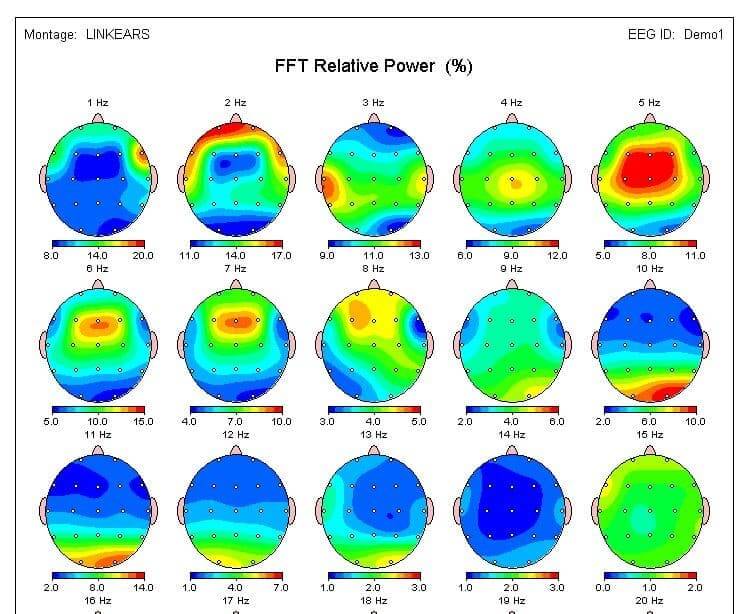
How a qEEG session can change your life
You’re feeling off. It’s just one of those hard to describe things, but you’re feeling off. There’s a little bit more moodiness when you’re in public. Maybe you’ll snap at a family member when at a baseball game because of
Learn more about hormones
The occasional afternoon nap on the weekend is fine for restoration, but what about when you’re falling asleep right after dinner each night? Or if you’re working out regularly but not seeing the muscle gains that you’ve been striving for?