
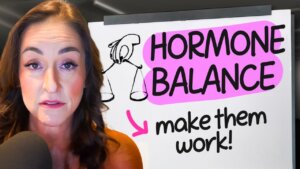
Menopause is often shrouded in myths and marketing promises—particularly around hormone replacement therapy. Many women hope hormones will act as a magic bullet for weight loss, mental clarity, and overall well-being. But as Dr. Betty Murray makes clear in the Menopause Mastery Podcast, hormones alone aren’t enough. True hormone balance depends on a solid foundation of lifestyle habits, nutritional support, and environmental awareness. Let’s walk through the five natural pillars of hormone balance, how they interact, and how you can set yourself up to make hormone therapy truly effective.
The Myth of Quick-Fix Hormones: Why Foundations Matter
The internet is full of ads claiming that hormone replacement will solve all your problems—weight, brain fog, sleep, mood, and more. But hormones aren’t magic, says Dr. Betty Murray. If they’re introduced into a body plagued by chronic stress, poor diet, toxic overload, and lack of sleep, they aren’t likely to work miracles. Hormones contribute to your health, but they can’t fix underlying imbalances by themselves. Building true resilience requires a holistic approach that makes menopause less of a “dumpster fire” and more of a manageable transformation.
Pillar 1: Nutrition That Supports Your Hormones
Far from strict dieting or fads, nutrition for hormone balance is about adding high-quality foods that nourish the body and facilitate hormone metabolism. Here’s what matters most:
Protein Power
Protein is foundational, and most women aren’t getting enough. Your body requires about 400 grams of amino acids distributed daily, liberating protein from your muscles, liver, and diet to repair and build tissues. As you age, the efficiency of muscle building drops—what sufficed in childhood won’t cut it now. Dr. Betty Murray recommends 100–120 grams of protein per day, with a focus on breakfast and dinner for optimal muscle protein synthesis.
Fiber: The Unsung Hero
Fiber binds excess hormones, toxins, bile, and cholesterol in the gut, helping excrete them and support detoxification. It also feeds your microbiome, including crucial bacteria that regulate estrogen metabolism. The average woman gets just 8–10 grams daily, but your goal should be 35 grams. Increase slowly to avoid bloating and focus on getting most fiber from vegetables, fruits, nuts, seeds, and legumes—not just supplements.
Cruciferous Vegetables
Broccoli, Brussels sprouts, kale, and cauliflower contain compounds (sulforaphane, indole-3-carbinol) that aid estrogen detox and liver health. These veggies also fill you up and promote healthy metabolism of estrogen. If you tolerate them well (no major gut issues), make them a staple.
Hydration
Don’t underestimate water’s role: aim for at least eight glasses daily to support cellular function and hormone metabolism.
Pillar 2: Prioritizing Sleep—Your Body’s Janitorial Service
Sleep isn’t a luxury—it’s necessary for hormone regulation and recovery. Sleep deprivation raises cortisol and insulin, lowers growth hormone and testosterone, and impairs metabolic cleanup cycles. During menopause, declining estrogen and progesterone disrupt sleep architecture and temperature regulation.
Temperature hacks: Keep your bedroom between 65–68 degrees, take warm baths or showers to trigger core cooling, and ensure your hands and feet are warm.
Light hygiene: Avoid screens by 7–7:30 PM and opt for amber lights; this helps your brain shift toward melatonin production and restful sleep.
Pillar 3: Managing Stress and Cortisol
Chronic stress is a “silent hormone disruptor,” raising cortisol and interfering with progesterone, thyroid function, and insulin. Women especially juggle caregiving, work, and other responsibilities, making stress management critical.
Morning Sunlight
Get outside as soon as you wake up—10 minutes of natural light resets your circadian rhythm, which regulates cortisol and sleep cycles.
Breathwork
Box breathing (4 seconds in, hold 4, exhale 4, hold 4) activates your parasympathetic nervous system, regulating cortisol and stress. Practice for a minute before meals or during stressful periods.
Pillar 4: Movement—Exercise as Medicine
Exercise is unparalleled for maintaining muscle mass, bone strength, insulin sensitivity, and resilience against chronic disease.
Strength Training: Aim for progressive resistance exercise (not just light weights!) three times per week to preserve muscle and bone, which decline rapidly in menopause.
Cardio Training: Incorporate zone 2 training (heart rate 125-135) for cardiovascular health and mitochondrial function, plus occasional high-intensity intervals for aerobic capacity. Over-exercising raises stress hormones, so balance effort with recovery.
Daily Movement: Take walks and reach for 10,000 steps, but don’t rely solely on walking for metabolic improvement—mix modalities for best results.
Pillar 5: Reducing Environmental Toxins
Your liver metabolizes both hormones and toxins using the same pathways. Toxins—from plastics, fragrances, pesticides, and more—act as endocrine disruptors, compounding hormonal imbalance.
- Avoid plastic bottles, synthetic fragrances (candles, air fresheners), and unnecessary chemicals in personal care.
- Choose organic for high-fat foods and animal proteins whenever possible; toxins concentrate in fat tissues.
- Filter your water to reduce exposure to contaminants.
Even small changes in reducing toxins can dramatically improve hormone health.
Hormone Therapy: When Natural Isn’t Enough
Even with all pillars in place, some women require additional support. If, after 3–6 months of implementing these foundations, you’re still plagued by severe symptoms, hormone therapy might be warranted—especially if early in the menopause transition or if your family history includes osteoporosis, heart disease, or dementia.
Work with a practitioner who can individualize care, using comprehensive hormone and metabolism testing to tailor therapy.
Building a Life You Love Through Menopause
Hormone balance is about more than quick fixes—it’s a journey of self-advocacy, lifestyle upgrades, and deep self-care. By mastering nutrition, sleep, stress, movement, and toxin reduction, you lay the groundwork for hormone therapy to work and transform your menopause experience. Listen to your body, seek knowledgeable support, and embrace this phase with the mastery it deserves.
Menopause isn’t the beginning of the end: it’s a new chapter for your health, vitality, and resilience.



FODMAP Sweet Potato-Raisin-Chunky Chip Sugar Cookies
Weekly Recipe created by Jenny Bair, author of “What the FODMAP?” Semi-homemade from this mix: Visit here for The Mix – https://www.immaculatebaking.com/product/gluten-free-sugar-cookie-mix/ The Mix plus these ingredients from box: change as listed below Use a stick plus a 1 T.
Healthy Gifts for the Wellness-Conscience
By Betty Murray With Christmas just around the corner, you may find yourself stumped on what healthy gifts to give the health-conscious person in your life. Although sweet, the traditional baked goods, or gift baskets overflowing with chocolates just won’t do.
November Coaching packages with Jenny Bair
Jenny Bair, MHE, The Inner Organizer, has 20+ years of teaching, speaking, coaching, consulting, organizing, motivating, and encouraging others to make their desired changes from the inside-out. It is Jenny’s goal to help individuals, couples, families and companies find more laughter,